


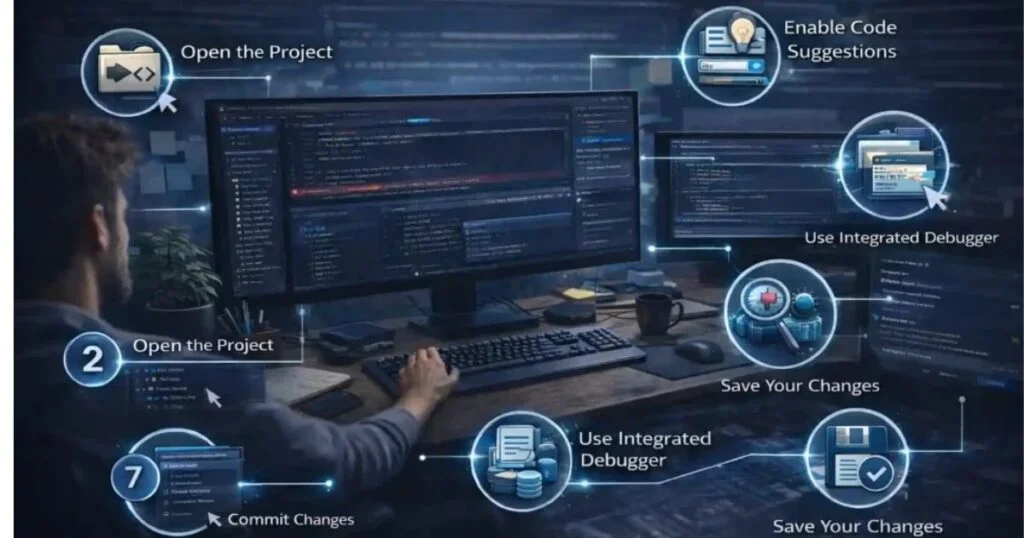
GDTJ45 Builder Software is a unique tool designed for developers and project teams who want a smoother, more visual approach to coding. Unlike traditional coding platforms that require typing every single line from scratch, this software provides a blend of a visual builder and a code editor. Essentially, it lets users drag, drop, and configure elements while still allowing full access to the underlying code. Many beginners are drawn to it because it removes the intimidating barrier of starting with a blank screen, yet it is powerful enough for advanced users who know how to customize and tweak their code deeply.
Despite its advantages, there are a few misconceptions about GDTJ45 Builder Software. Some think it’s purely a no-code tool, but that’s not entirely true. While it simplifies development, it still requires basic knowledge of programming to unlock its full potential. Developers often use it for rapid prototyping, creating templates, or managing collaborative projects because it allows real-time editing and changes without losing previous work. Understanding this balance between simplicity and full code control is key to using GDTJ45 efficiently.
| Feature | Description |
|---|---|
| Type | Visual builder + code editor |
| Users | Beginners, developers, project teams |
| Strength | Easy prototyping with full code access |
| Weakness | Requires some coding knowledge for advanced edits |
Core Features of GDTJ45 Builder Software You Need to Know
One of the main reasons developers love GDTJ45 Builder Software is its powerful features that combine ease and control. It comes with a built-in code editor with syntax highlighting, which makes reading and writing code much easier. Auto-complete and error highlighting help prevent mistakes before they cause problems. The software supports multiple programming languages, including popular options like JavaScript, Python, and Java, allowing users to adapt it to different project needs. For teams, real-time collaboration is a major benefit, as multiple people can work on the same project simultaneously without conflicts.
Another important aspect is the debugging and version control features. The software provides live error detection, integrated debugging, and Git support, which helps track changes and revert them when necessary. It also supports multi-file projects, enabling developers to search, edit, and manage code efficiently across the entire project. For users who want to extend the software, there is a plugin ecosystem that allows adding new functionalities without complicated setups. These combined features make GDTJ45 Builder not just a beginner-friendly tool, but a strong option for advanced coding workflows.
| Feature | Benefits |
|---|---|
| Syntax Highlighting | Easier to read and edit code |
| Multi-Language Support | Flexibility for different projects |
| Real-Time Collaboration | Team efficiency |
| Debugging & Git Integration | Safe and trackable edits |
How to Edit Code in GDTJ45 Builder Software – Step-by-Step Tutorial
Editing code in GDTJ45 Builder Software is simpler than many expect, yet knowing the right steps can save a lot of time and frustration. First, you start by creating or opening your project and navigating to the code editor. The interface is designed to be intuitive, with clearly marked sections for different parts of your project. Beginners should start by exploring the drag-and-drop elements to understand how the visual layout links to the underlying code. Once comfortable, users can enter the edit mode to modify the actual code safely.
When editing, it’s important to follow a few key habits. Always work in small sections to avoid breaking your project, use clear comments to document changes, and test frequently. The software automatically saves changes and keeps a history of edits, but backing up important sections is still wise. Running the project after each set of changes helps catch errors early. By combining visual and manual edits, users can fully customize functionality while keeping the workflow smooth and manageable.
Common Problems & Troubleshooting When Editing Code
While GDTJ45 Builder Software is designed to be user-friendly, users often encounter a few recurring challenges. One common issue is that the visual builder can sometimes overwrite manual code edits, especially if the project is heavily dependent on prebuilt templates. This can be frustrating for beginners who may not realize which parts are safe to edit. Crashes or slow performance can also occur in large projects or when running multiple plugins simultaneously. Understanding these potential pitfalls helps users plan their workflow carefully.
Troubleshooting usually involves a few simple steps: reviewing the project history to undo unwanted changes, checking error messages highlighted in the editor, and ensuring the code follows proper syntax for the supported language. For persistent issues, separating complex functions into smaller modules or using version control tools can prevent major setbacks. Experienced developers often recommend testing small changes first and using built-in debugging tools before making broader edits. This approach saves time and protects the integrity of the project.
Best Practices for Editing Code with GDTJ45 Builder Software
To get the most out of GDTJ45 Builder Software, certain best practices make editing smoother and safer. Start by backing up your project regularly, even though the software has an auto-save feature. Using safe zones in the editor for manual edits ensures that the visual builder does not overwrite important code. Adding comments and documenting changes is essential, especially for projects involving teams. These small habits make it easier to track changes and avoid confusion.
Another key practice is leveraging version control and modular coding. Using Git or similar tools helps maintain different versions of your project and revert changes if needed. Modular coding means breaking code into reusable pieces, which simplifies debugging and enhances collaboration. Following these habits allows users to enjoy both the simplicity of the visual builder and the power of full code customization.
Alternatives to GDTJ45 Builder Software for Code Editing
While GDTJ45 Builder is versatile, it’s not always the best solution for every project. Developers working on large-scale or highly complex applications might prefer traditional code editors like VS Code or Sublime Text, which provide more flexibility and fewer restrictions. These editors require more manual coding but offer stronger performance and extensive plugin support.
For those who want a hybrid approach, combining GDTJ45 Builder for rapid prototyping with a standalone editor for advanced coding works well. Beginners can start projects visually and then move to full editors as they gain confidence. Knowing when to use GDTJ45 and when to switch to another tool ensures that workflow stays efficient, projects remain manageable, and learning continues without hitting limitations.
Frequently Asked Questions (FAQs)
1. Can beginners edit code in GDTJ45 Builder?
Yes, the software is beginner-friendly, combining visual tools with editable code sections.
2. Does it support all programming languages?
It supports popular languages like JavaScript, Python, and Java, but not every niche language.
3. What happens if I overwrite visual editor code?
Some changes may be replaced, so always backup and work in safe zones.
4. Does the software save code automatically?
Yes, but manual backups are recommended for critical changes.
5. Is GDTJ45 Builder safe for team use?
Yes, with real-time collaboration and version control, teams can work safely together.
Read more : Where Is Kelly Orgeron Now? Latest Life Updates & Personal Journey