


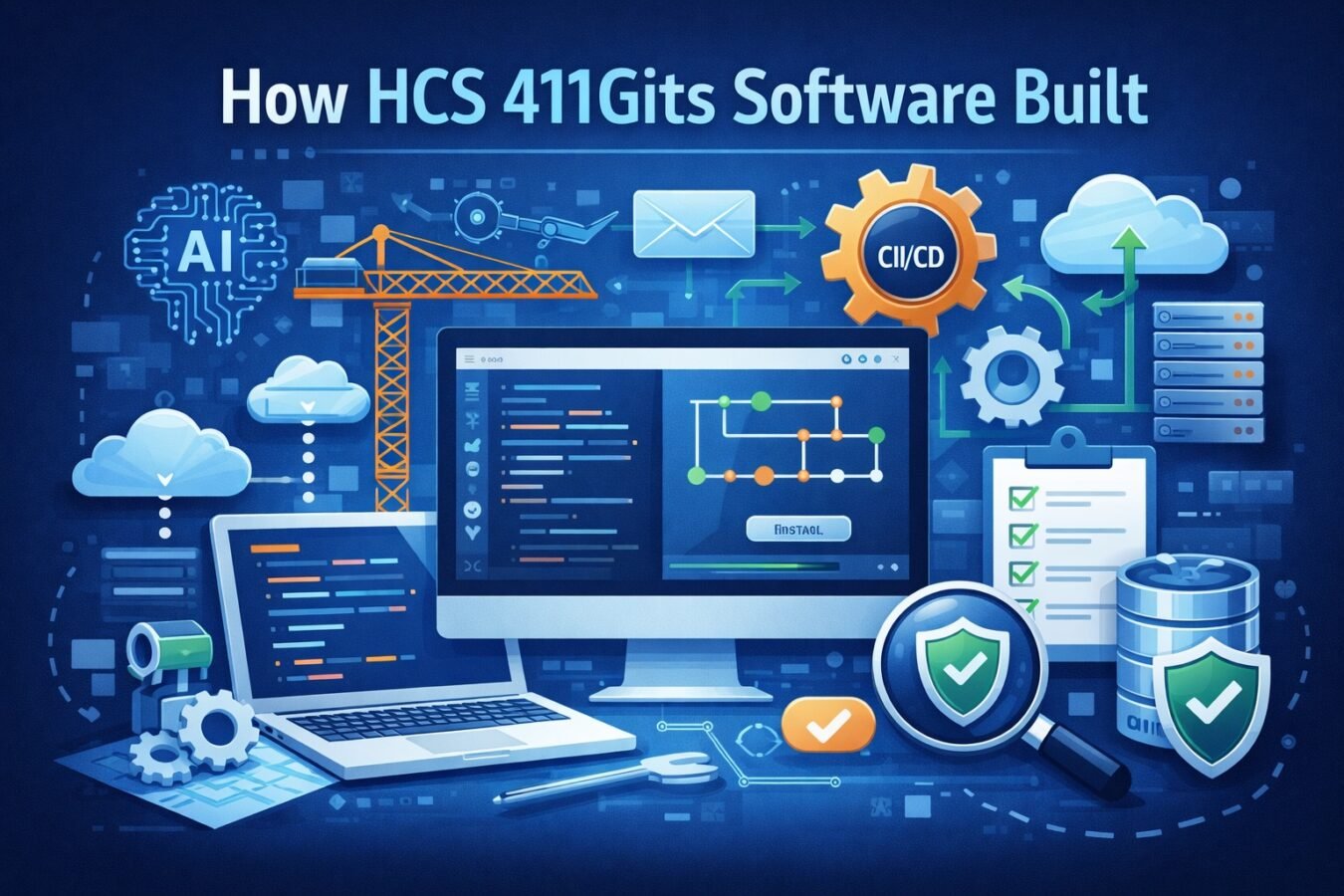
How HCS 411GITS Software Was Built is a modern, intelligent system designed to help businesses and organizations manage complex operations more efficiently. Imagine a tool that can handle huge amounts of data, track tasks, and integrate smoothly with other systems — that’s the core purpose of HCS 411GITS. Unlike older tools, this software is built to be flexible, reliable, and fast, which makes it a preferred choice for companies that need to automate repetitive processes without losing control over critical operations. Its main goal is to combine simplicity for users with powerful capabilities under the hood.
The software is also highly adaptable. It can be applied in industries like logistics, finance, and service management. Its features range from real-time data tracking to automated reporting, which helps teams make smarter decisions quickly. The magic behind HCS 411GITS lies not just in the features but in the thought process behind how it was built — from planning to coding to deployment, every step focused on creating a system that works seamlessly for users while remaining technically robust.
The Planning & Requirement Analysis Phase
Before any code was written, building HCS 411GITS software started with careful planning. This phase is like laying the foundation of a house — everything else depends on it. Developers first gathered detailed requirements from stakeholders, understanding what users truly needed. They looked at pain points in existing systems, such as slow data processing or poor integration with other tools. By understanding these challenges, the team could outline clear goals: performance, security, usability, and flexibility. Planning was not just about technical specifications; it was about creating a software experience that would be genuinely helpful and intuitive for real users.
After defining the scope, the team moved to solution mapping, turning business problems into software features. For example, if a logistics company needed real-time tracking, the system design included automated data collection and dashboard visualization. Each feature was carefully prioritized to ensure the most critical functionalities were ready first, while still leaving room for future updates. This phase also involved considering technology limitations, potential bottlenecks, and how the software would scale as usage grew. By spending time upfront, the HCS 411GITS software team avoided common mistakes and built a clear roadmap for development.
Architecture & Tech Stack Behind HCS 411GITS
One of the most important parts of understanding how HCS 411GITS software built is looking at its architecture. The software uses a modular design, meaning different parts of the system work independently but communicate seamlessly. This makes it easy to update, maintain, or add new features without disrupting the whole system. For example, the data processing module handles large amounts of information quickly, while the interface module focuses solely on user interactions. Separating these layers ensures stability and performance even when many users are active at once.
The tech stack was carefully chosen to support both speed and reliability:
| Component | Purpose |
|---|---|
| Backend (Node.js/Python) | Handles processing, logic, and server operations |
| Frontend (React.js) | Provides a fast, responsive, and user-friendly interface |
| Database (SQL + Caching) | Stores data efficiently and enables real-time access |
| API Layer | Connects with other software and services easily |
By combining these technologies, HCS 411GITS ensures fast performance, easy integration, and long-term maintainability. This architecture allows businesses to scale without worrying about performance drops or system crashes.
The Software Development Lifecycle
Developing HCS 411GITS software was a step-by-step process following modern development methods. The team used Agile methodology, breaking work into short sprints that allowed continuous improvements. Each sprint included coding, testing, and feedback collection, ensuring the software evolved based on real needs rather than assumptions. Prototypes were often created early to test ideas, helping identify problems before full implementation.
During coding, strict standards were maintained. The team focused on writing clean, modular code that was easy to understand, debug, and expand. Version control systems ensured every change was tracked and reversible, reducing the risk of errors. Continuous integration and deployment practices meant updates could be pushed safely and quickly. This lifecycle created a balance between speed and quality, which is essential for building a robust system like HCS 411GITS.
User Interface (UI) & User Experience (UX)
Even the most powerful software is only useful if people can use it comfortably. That’s why HCS 411GITS software put heavy emphasis on UI and UX design. The team studied how users interact with similar tools, making sure the interface is intuitive, visually clear, and responsive on both computers and mobile devices. Common tasks were simplified, so users spend less time figuring out the software and more time achieving results.
Design tools like Figma helped the team create realistic prototypes and conduct usability tests. Every element, from buttons to dashboards, was refined to reduce confusion and speed up workflow. By focusing on the user experience, HCS 411GITS ensures that powerful functionality does not overwhelm users but instead feels natural and accessible.
Testing, Quality Assurance, and Deployment
No software can be released without thorough testing. HCS 411GITS software went through multiple layers of testing, including unit tests, integration tests, load tests, and security checks. This ensures that each feature works correctly, the system handles multiple users, and no vulnerabilities exist that could compromise data.
Deployment used CI/CD pipelines, allowing updates to move from staging to production smoothly and safely. Post-deployment, monitoring tools track performance and identify any potential issues early. Regular maintenance and automatic alerts make sure the software remains reliable and efficient over time.
Security, Scalability, and Integration
Security is a cornerstone of HCS 411GITS software. The system includes encryption, role-based access controls, and strict authentication measures. This ensures sensitive data stays protected even in large enterprise environments.
Scalability is another focus. The modular architecture allows the software to handle increasing workloads by adding resources without changing the core system. Additionally, HCS 411GITS can integrate easily with other software through APIs, allowing organizations to connect it with legacy systems, cloud services, or third-party tools.
| Feature | Benefit |
|---|---|
| Encryption & Access Control | Protects sensitive data |
| Modular Architecture | Easy scaling and maintenance |
| API Integration | Seamless connection with other tools |
This combination of security, scalability, and integration makes HCS 411GITS a reliable choice for businesses of all sizes.
Real-World Impact and Lessons
Since its release, HCS 411GITS software has transformed operations for many organizations. Companies report faster data processing, fewer errors, and better team collaboration. Automated reporting saves time, while dashboards provide real-time insights, helping managers make informed decisions.
Developers also learned important lessons during its creation. Challenges like bottlenecks in data processing or usability concerns were solved through continuous testing and feedback. The key takeaway is that building software is not just about coding; it’s about understanding people, anticipating problems, and designing solutions that are both functional and human-friendly.
FAQs (100 words)
- What is HCS 411GITS software used for?
It helps businesses manage complex operations efficiently with automation and real-time insights. - Which technologies were used to build it?
React.js for frontend, Node.js/Python for backend, SQL databases, and API layers. - How does it ensure security?
Through encryption, role-based access, and secure authentication systems. - Is it easy for users to learn?
Yes, the software emphasizes intuitive design and usability for all users. - Can it integrate with other systems?
Yes, API integration allows seamless connection with other software tools.
Read more : Why Is Uhoebeans Software Update So Slow? Understanding the Delay