


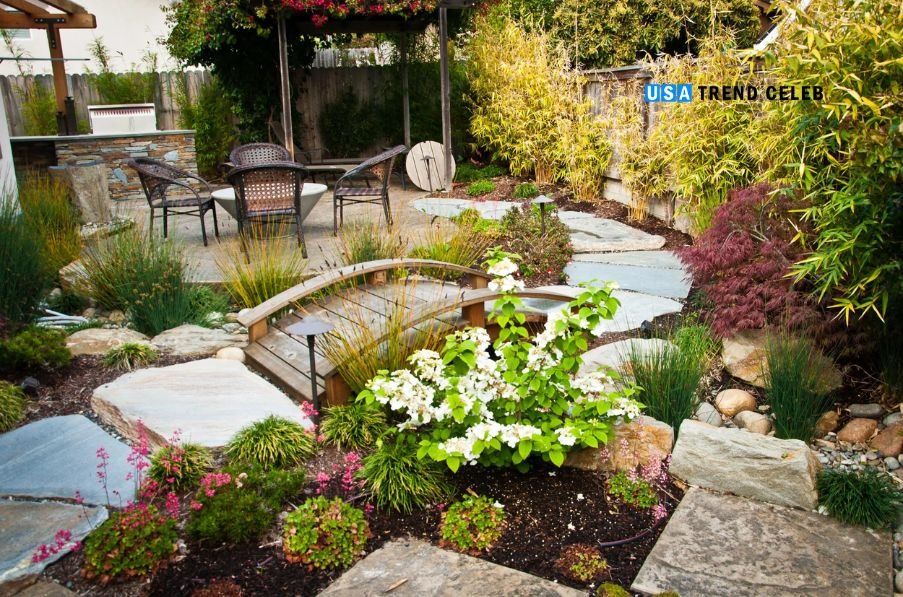
The term zuhagarten is a beautiful fusion of two German words: zu Hause (meaning “at home”) and Garten (meaning “garden”). This word reflects the essence of creating a personal sanctuary within your outdoor space. A zuhagarten is more than just a garden; it’s a holistic space that promotes peace, mindfulness, and connection with nature.
The origin of the word is rooted in the idea of “home,” not just as a physical space but also as an emotional and mental retreat. It’s about cultivating a space where you can relax, reflect, and recharge. In today’s fast-paced world, having such a retreat within arm’s reach is becoming increasingly important for mental health and emotional wellbeing.
While zuhagarten is not a conventional or widely recognized term in every garden design guide, its concept has gained popularity, especially in wellness and lifestyle spaces. It reflects a shift towards mindful living, where your environment isn’t just a place to look at, but a place to feel and experience tranquility.
The Philosophy Behind Zuhagarten — Peace, Calm, and Connection
At its core, a zuhagarten is meant to be a space of calm and balance. Unlike traditional gardens that focus primarily on aesthetics, a zuhagarten incorporates elements that promote mental health, relaxation, and inner peace. The idea is to create an environment where every element, from plants to design choices, works harmoniously to bring you a sense of serenity.
This philosophy connects deeply with mindfulness practices. Every stone, every plant, and every seat in the garden is chosen with care, to encourage a slower pace of life. Whether it’s through the soothing sounds of water, the calming effects of greenery, or the gentle rustling of leaves in the wind, a zuhagarten creates an atmosphere that invites you to pause, breathe, and be present.
Incorporating a zuhagarten into your life can have significant mental health benefits. Studies show that spending time in nature lowers stress, reduces anxiety, and can even improve sleep quality. The natural world is inherently soothing, and by creating a dedicated space to connect with it, you’re not just beautifying your environment; you’re investing in your wellbeing.
Key Elements of a Zuhagarten — What Makes It Unique
A zuhagarten is not just any garden—it’s designed to engage the senses and promote mindfulness. Below are the essential features that define a zuhagarten.
Natural Features
One of the fundamental aspects of a zuhagarten is the natural elements it incorporates. These are gardens that use the beauty and calming effects of nature as their backbone. Plants play a central role, with emphasis on native species, herbs, flowers, and even edible plants that contribute to the sensory experience of the space.
These plants are carefully selected to suit the climate and seasons, ensuring the garden remains vibrant throughout the year. The goal is not just to look at the plants, but to engage with them—whether through scent, touch, or even taste.
Aesthetic and Design Principles
The design of a zuhagarten is rooted in simplicity and harmony. Organic shapes and natural materials are preferred over rigid lines and artificial materials. Whether it’s a wooden bench, a stone pathway, or a water feature, the materials should blend seamlessly into the environment, complementing the natural beauty around them.
The layout of a zuhagarten should be easy to navigate, with plenty of open space for relaxation. Symmetry and balance are key to creating a peaceful atmosphere, making it the perfect setting for quiet moments of reflection or meditation.
How to Create Your Own Zuhagarten — Step‑By‑Step Plan
Creating a zuhagarten involves thoughtful planning and design. The process is deeply personal, but there are some essential steps to guide you along the way.
Planning and Concept
Start by evaluating your available space. A zuhagarten doesn’t need to be a vast garden; even a small balcony or courtyard can be transformed into a peaceful haven. Consider what you want from your space: relaxation, inspiration, food growing, or artistic expression. This will inform your choices for plant selection, seating, and decor.
Your next step is to define the atmosphere you wish to create. Is your goal to create a serene, minimalist space, or are you looking for something more lush and vibrant? Your concept will guide the design decisions, from the plants you select to the materials you use.
Layout and Plant Selection
Next, think about the layout. How will people move through your space? Where will seating areas be located? How will you integrate plants and water features to enhance the garden’s calming effects?
For plant selection, choose species that resonate with you, considering their growth habits, colors, and textures. It’s essential to choose plants that thrive in your local climate, but also think about the seasonal changes—a well-designed zuhagarten will look beautiful in every season.
How Zuhagarten Fits Modern Living — Trends and Popularity
In recent years, there has been a shift toward mindful living and eco-friendly practices. A zuhagarten aligns perfectly with these trends. It’s not just about beautifying a space; it’s about creating a lifestyle. As more people embrace sustainable living, creating personal spaces that connect with nature is gaining momentum.
The rise of the wellness movement has also contributed to the popularity of zuhagarten. People are realizing that their surroundings can significantly impact their emotional and mental states. By focusing on natural elements and promoting relaxation, a zuhagarten fits seamlessly into modern living—providing a peaceful escape from the stress and noise of everyday life.
Common Zuhagarten Questions Answered (FAQ Section)
1. Is zuhagarten only for big outdoor spaces?
No, a zuhagarten can be created in any space, whether it’s a small balcony, courtyard, or even a rooftop garden. The key is to make the space feel serene and connected with nature.
2. How long does it take to build a zuhagarten?
The time it takes depends on your design and space. A small zuhagarten can be created in a weekend, while larger spaces may take several months to plan and implement.
3. Can a zuhagarten be indoor?
Yes! Many people create indoor zuhagarten spaces, especially in apartments or homes with limited outdoor space. Indoor plants, candles, and calming décor can create the same peaceful atmosphere.
4. Best plants for beginners?
If you’re new to gardening, start with easy-to-care-for plants like succulents, lavender, or peace lilies. These plants are hardy and require minimal maintenance, making them perfect for a beginner zuhagarten.
5. How does zuhagarten boost daily wellbeing?
A zuhagarten encourages mindfulness, relaxation, and connection to nature. Spending time in this space can reduce stress, improve mood, and promote a sense of calm.
Inspiration and Examples — Zuhagarten Ideas to Try
Creating a zuhagarten doesn’t require a large space or a huge budget. Small, thoughtful touches can transform any outdoor (or indoor) area into a serene haven. Whether it’s through a cozy hammock tucked in the corner of your garden, a fountain to add a calming sound element, or a carefully curated selection of plants, a zuhagarten can reflect your personal style and needs. Here are a few ideas to inspire your own design:
- Minimalist Retreat: A simple wooden bench, a few plants in pots, and a stone path leading to a secluded seating area.
- Edible Garden: Integrate herbs, vegetables, and fruit trees into your space. Use natural containers like terracotta pots or wooden crates.
- Reflective Space: Create a small meditation area with soft cushions, a low table, and peaceful greenery.
Conclusion — Why Zuhagarten Is Worth Your Time
Building a zuhagarten is not just about creating a beautiful garden—it’s about creating a sanctuary where you can connect with nature, find peace, and improve your overall wellbeing. Whether you have a sprawling backyard or a small balcony, there’s always room to create a space that nurtures your mind and soul. It’s time to start thinking about your own personal garden sanctuary—your zuhagarten—and the serenity it can bring to your daily life.